Masonry waterproofing is not a one-size-fits-all product. The right system depends on the type of masonry, how exposed the building is, and what has already been applied to it over the years.
Why Masonry Waterproofing Is Not One Size Fits All
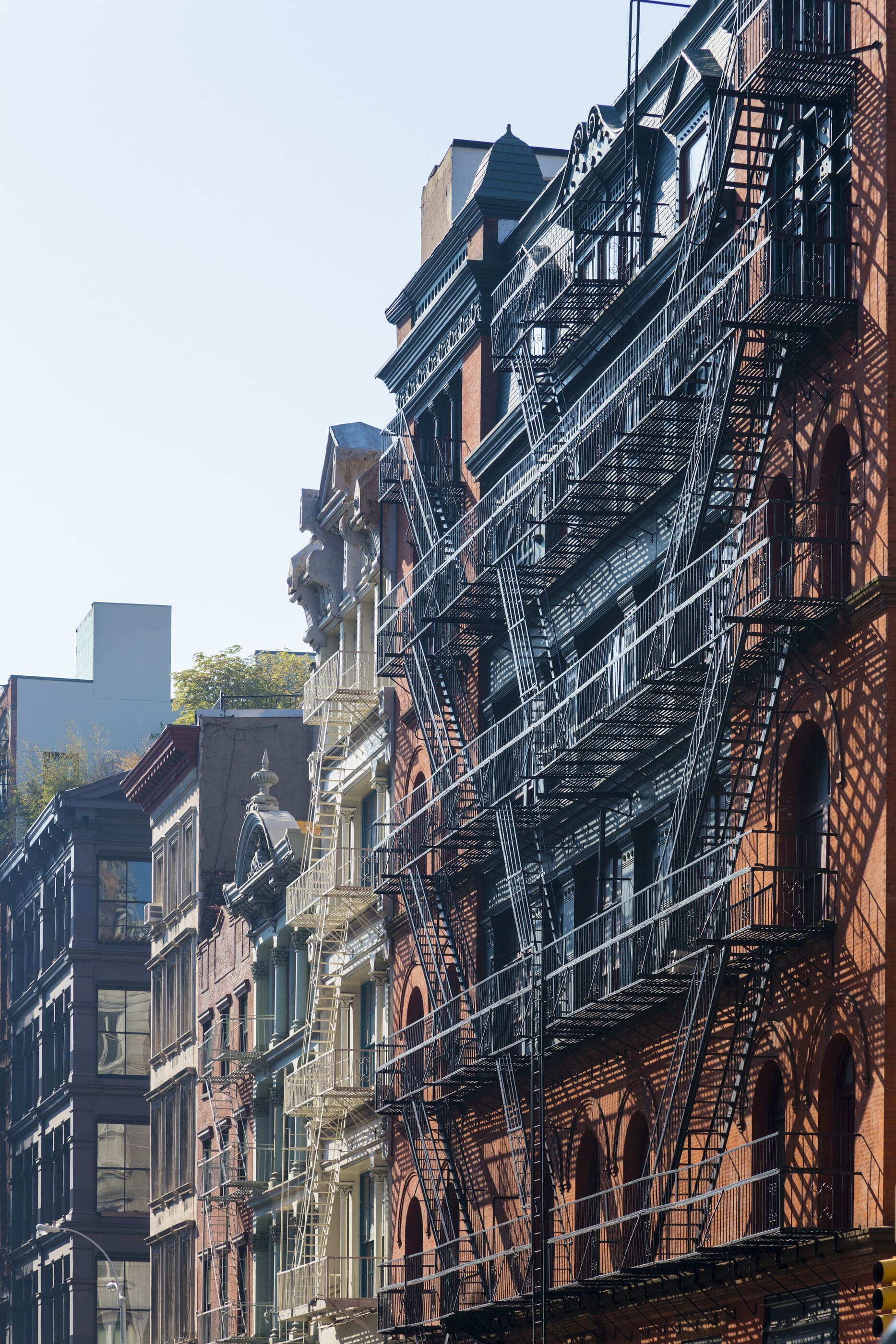
Brick, brownstone, limestone, and terra cotta all absorb and release moisture differently. A coating that works well on one material can trap moisture in another, leading to spalling, staining, or coating failure within a few years.
Common Waterproofing System Types
- Silane and siloxane penetrating sealers that repel water while allowing the masonry to breathe
- Elastomeric coatings that bridge hairline cracks and provide a visible protective film
- Integral crystalline and cementitious systems used on concrete substrates and below-grade walls
Factors That Determine the Right System
- The type and porosity of the existing masonry
- Sun, wind, and moisture exposure on each elevation of the building
- Any prior coatings or paint that may need to be removed first
- Results from on-site moisture testing before a system is proposed
Our Process for Waterproofing Projects
We start with a facade survey and moisture assessment, then propose a system matched to the substrate rather than a default product, and we test a sample area before committing to a full elevation.


.svg)